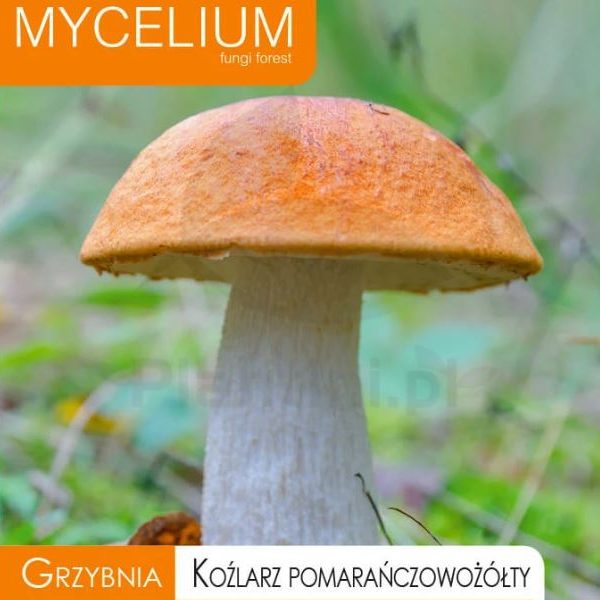

Large, sometimes up to 20 cm across, with a light brown, matte (sometimes slightly velvety) cap. The pores are dirty-white at first, then become yellowish, greenish-yellow and finally turn light olive-brown.
The tops are characterized by a sturdy light brown stalk, the upper part of which is covered with a characteristic layer of white or light brown netting. The flesh is dense, white and does not change color when cut. In nature, they grow under oaks, less often under other deciduous trees from June through October. Ash pulp is edible and especially tasty; it can be baked without cooking, pickled, dried, etc.
Cultivation and care:
Around the trunk of the tree along the perimeter of the crown, dig 3 holes 30-40cm in diameter and 15cm deep. The planting holes should be 0.5 to 5 m away from the trunk of the tree (about 10 trunk diameters).
Fill half of the hole with pre-prepared acidic garden plant or peat, then sow mycelium at the rate of 1/3 mycelium per hole. After planting mycelium in the well, fill the hole with soil and thoroughly mix the mycelium with the substrate.
Very carefully water the place of sowing mushrooms – around each well 1 bucket of water.
Cover the bed with needles, moss, branches and other “forest” wealth.
The use of sugar solution (10 g of sugar per 10 liters of water) contributes to a faster formation of mycorrhiza harvest.
In case of prolonged drought, it is recommended to periodically water mushroom crops.
Habitat and production: The Podosinovik is one of the most delicious mushrooms, growing under oaks, less often near other deciduous trees, from June through October. Harvesting usually occurs between July and September.
Production Period: Under favorable growing conditions, Podosinovik can be harvested in the first or second year of cultivation after sowing mycelium, and the production period is 3-4 years. The yield potential is 85-87%.
Producer: Poland.